Menopause treatment options: what if HRT isn’t enough?
Hormone replacement therapy (HRT) can make a big difference to menopause symptoms, but it does not always help with everything. Some people continue to have symptoms despite treatment; others cannot take HRT, do not want it, or find its side effects difficult to manage.
There are other options. The right next step depends on which symptoms are affecting you, your medical history and what you have already tried. A review with your GP can help check whether your treatment is suitable, whether something else could be contributing to your symptoms and whether a different medicine or referral might help.
This guide covers menopause treatments beyond HRT, including CBT for menopause, other medicines available through the NHS, and when to ask for specialist help.
Menopause symptoms are about more than hot flushes
Menopause can affect people in different ways. Hot flushes and night sweats are well known, but symptoms can also include poor sleep, low mood, anxiety, difficulty concentrating, joint and muscle aches, headaches and changes in sexual desire. Vaginal dryness, discomfort during sex and urinary symptoms can also occur.
Symptoms may overlap with other health conditions, and they can change over time. For example, tiredness or difficulty concentrating might be linked to disturbed sleep, stress, anaemia, thyroid problems, medication or menopause. It is worth discussing new, severe or persistent symptoms with a health professional rather than assuming they are all caused by menopause.
Start with a review with your GP
If HRT is not helping enough, or you are experiencing unwanted effects, arrange a review with your GP or another health professional who can prescribe menopause treatment. There is no need to wait until your next routine appointment if symptoms are significantly affecting your day-to-day life.
A review is a chance femalefirst.co.uk to look at the whole picture, not just whether to increase a dose. Your clinician may ask which symptoms are most troublesome, when they began, how they affect sleep and daily activities, and what treatment you use. They may also review your health conditions, medicines and individual risks.

Depending on your circumstances, the discussion might include:
- Whether your HRT type, dose or way of taking it is appropriate.
- Whether you have used it consistently for long enough to assess its effect.
- Whether side effects might be improved by changing the preparation.
- Whether symptoms need a separate treatment or further assessment.
- Whether a referral to a menopause or other specialist service is appropriate.
Do not stop or change prescribed HRT without getting advice. If you have unexpected bleeding while using HRT, tell your clinician. Bleeding can have several causes, but it may need assessment, particularly if it is heavy, persistent or starts after a period without bleeding.
Check whether your HRT is being used as intended
Sometimes treatment needs adjusting rather than replacing. HRT comes in different forms, including tablets, patches, gels and sprays. If you have a womb, oestrogen is usually prescribed with a progestogen to protect the lining of the womb; your clinician can explain which approach is suitable for you.
Talk to your prescriber before making a change. They can check that you are using your treatment correctly and discuss possible adjustments. HRT does not prevent every health condition associated with ageing, and it is not a treatment for all forms of pain or low mood. If a symptom has another cause, changing HRT alone may not resolve it.
CBT for menopause symptoms
Cognitive behavioural therapy (CBT) is a talking therapy that helps people notice and change patterns of thinking and behaviour. Menopause-focused CBT is not a claim that symptoms are “all in your head”. It offers practical strategies for coping with symptoms and the effect they have on everyday life.
NICE recommends considering CBT alongside HRT for sleep problems linked to night sweats, and for depressive symptoms that began around the same time as other menopause symptoms. CBT may also be considered for people who prefer not to take HRT or cannot take it. It can help some people manage the impact of hot flushes and night sweats, low mood or anxiety.
CBT can be delivered face to face, in groups or through guided digital programmes, depending on what is available locally. Ask your GP what options you can access. If you have severe depression, thoughts of self-harm or feel unable to keep yourself safe, seek urgent support rather than relying on CBT alone.
Other medicines available
The best medicine depends on the symptom being treated. Some options are used for specific menopause symptoms; others may be appropriate when a clinician identifies a separate condition. Do not take someone else’s medicine or start an over-the-counter supplement without checking whether it is safe for you.
Treatment option What it may help with Points to discuss Vaginal oestrogen Vaginal dryness, discomfort during sex and some urinary symptoms linked to menopause It is applied locally and is different from whole-body HRT. A clinician can advise whether it is suitable, including if you already use HRT. Non-hormonal vaginal moisturisers or lubricants Dryness and discomfort Moisturisers are used regularly; lubricants are generally used during sex. A pharmacist or clinician can help you choose a suitable product. Fezolinetant Moderate to severe hot flushes and night sweats for some people who cannot use HRT NICE recommends it for eligible people in specific circumstances. It requires clinical assessment and liver-function checks; availability and suitability should be discussed with a prescriber. Testosterone Low sexual desire for some people when HRT alone has not helped It may be considered by a specialist or clinician with relevant expertise after other causes have been explored. It is not a general treatment for tiredness or low mood.Some antidepressants and other medicines may be appropriate for depression, anxiety, pain or other diagnosed conditions. They are not automatically the right treatment for hot flushes. NICE does not recommend routinely offering SSRIs, SNRIs or clonidine as first-line treatment for menopause-related vasomotor symptoms alone. Your clinician can explain the options if HRT is unsuitable or your symptoms have more than one possible cause.
Herbal products and supplements can interact with prescribed medicines, and evidence for their effectiveness and safety varies. “Natural” does not always mean risk-free. Check with a pharmacist or clinician, particularly if you take other medicines or have a long-term condition.
When pain is part of the picture
Pain deserves attention in its own right. Research consistently finds that chronic pain is common and that women are more likely than men to report some forms of persistent pain. This does not mean every woman’s pain is caused by hormones, or that it should be dismissed as part of menopause. Pain can have several causes and may need its own assessment and treatment plan.
Some people notice joint or muscle aches around menopause, but ongoing or worsening pain should be discussed with a clinician. Depending on your symptoms, they may consider physical health, sleep, mood, medication effects and other conditions. A symptom diary can help you describe where the pain is, when it occurs, what makes it better or worse, and how it affects your activities.
Endometriosis: a condition that can be missed
Endometriosis occurs when tissue similar to the lining of the womb grows elsewhere in the body. It can cause severe period pain, pelvic pain, pain during or after sex, bowel or bladder symptoms, and difficulty getting pregnant. Symptoms vary, and they can affect work, education, relationships and mental wellbeing.
Diagnosis is often delayed. Endometriosis UK has reported an average wait of around eight years for diagnosis in the UK. This long wait can mean years of unmanaged symptoms and repeated appointments. If you have persistent pelvic pain or painful periods, ask for an assessment; you do not have to assume the pain is “just periods” or menopause.
Menopause does not automatically rule out endometriosis or other causes of pelvic pain. If you have a history of endometriosis and are considering HRT, discuss your individual circumstances with your clinician. They can explain possible benefits and risks and whether specialist advice is needed.
NHS first-line care and referral pathways
Many people can get an initial menopause assessment and treatment through their GP. NHS care may include a discussion of HRT, CBT, vaginal treatments, lifestyle support and other suitable medicines. The route can vary across the UK, so ask your practice what services are available in your area.
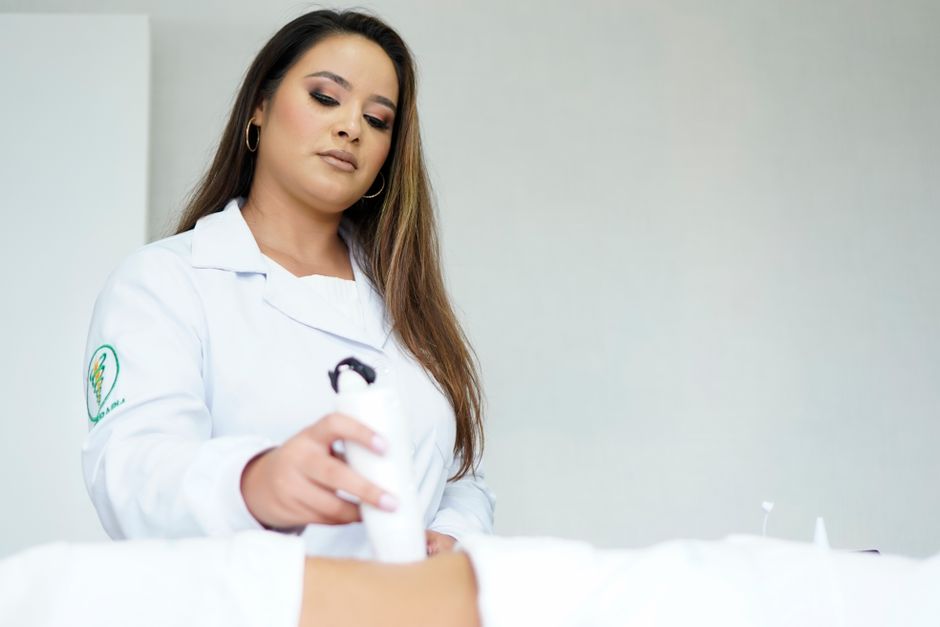
A referral to a menopause specialist may be considered if symptoms are complex, treatment has not helped after adjustments, there are significant side effects, or your medical history makes treatment decisions more complicated. A specialist may also be helpful when there is uncertainty about the diagnosis or a need for advice about particular risks.
Depending on your symptoms, your GP may instead refer you to another service, such as gynaecology for persistent pelvic pain or abnormal bleeding, or a relevant service for a suspected underlying condition. Referral criteria and waiting times differ locally. Ask what the referral is for, what to expect, and what you can do while waiting.
Getting ready for an appointment
A little preparation can help you make the most of a short appointment. You could write down:
- Your main symptoms and when they started.
- How they affect sleep, work, relationships or daily activities.
- Your current and previous HRT or other treatments, including any side effects.
- Any pain, bleeding or urinary symptoms you want assessed.
- The questions you most want answered, such as “What else could be causing this?” or “What are my next treatment options?”
If you have several concerns, say which one is affecting you most and ask whether another appointment is needed to cover the rest. You can also ask for information about the benefits and risks of each option in a format that suits you.
Online eligibility checks and private consultations
An online eligibility check can be a useful first step if you want to find out whether a service may be suitable for you. It is not a diagnosis and cannot replace a full assessment. Be accurate about your symptoms, medical history and medicines, and follow up with a qualified clinician if you are unsure what the result means.
A private video consultation may offer another way to speak with a clinician, particularly if you are seeking advice about treatment options. Before booking, check who will assess you, what the consultation includes, the cost, whether follow-up is available and how any recommended treatment will be monitored. A private appointment does not guarantee a particular prescription, and it may not replace NHS assessment or referral where these are needed.
The next step
If HRT is not enough, it does not mean you have run out of options. A review with your GP can help identify what is still troubling you, check whether your treatment needs adjusting and discuss CBT for menopause or other medicines available. Persistent pain, pelvic symptoms and unexpected bleeding deserve assessment rather than being automatically attributed to menopause.
Seek urgent medical help for sudden severe pain, very heavy bleeding, or symptoms that make you feel seriously unwell. For ongoing concerns, keep a record of symptoms and ask for a clear plan, including when to review treatment or consider referral.